.png)
Why that perfect property under power lines might be a problem
Updated: Jan 7
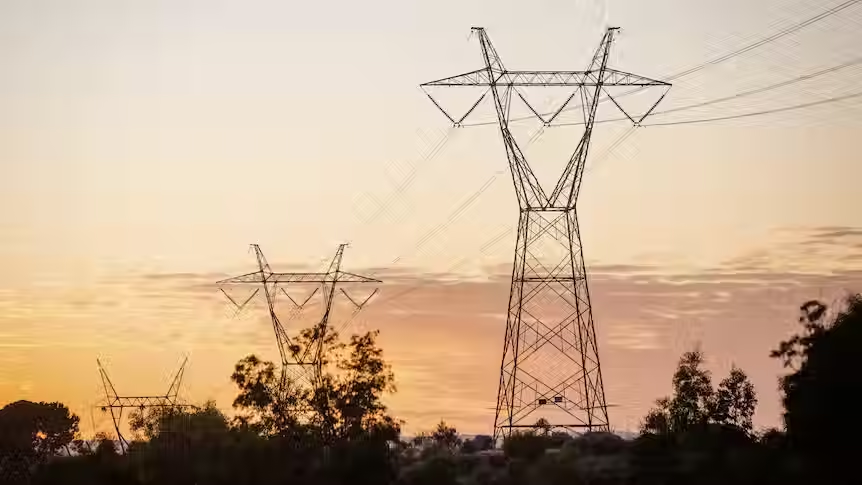
If you’re house hunting and find a property that seems like a bargain, but it’s sitting under or near high-voltage power lines, it’s not just a cosmetic issue. While many buyers overlook them, power lines can have serious implications for resale value, borrowing power, and tenant appeal.
The resale and valuation penalty
Banks often apply stricter lending criteria, or reduce valuations, on properties located close to high-voltage lines. Why? Because they’re considered less desirable due to visual impact, perceived health risks, and marketability. A lower bank valuation means you may need to contribute a larger deposit, reducing your borrowing capacity or forcing you to renegotiate the purchase.
Some lenders may even refuse to finance a property under transmission towers, especially if it’s considered functionally or visually compromised. This narrows the buyer pool when it’s time to sell, which can push the price down, regardless of how good the rest of the home is.
Tenant reluctance and vacancies
Even in tight rental markets, many tenants are cautious about renting near power lines. Some are concerned about electromagnetic fields (EMFs), while others simply don’t like the aesthetics. This can lead to longer vacancy periods, lower rent offers, or the need to offer incentives, which hurts your yield over time.
Health concerns and market perception
Although the scientific community has found no conclusive evidence linking EMF exposure from power lines to major health issues, the perception remains. And in real estate, perception often becomes reality. If enough buyers are turned off by power lines, regardless of the data, you’ll struggle to get full market value.
How to spot risk (before it’s too late)
Power lines aren’t always obvious in listing photos. Always do the following:
Use Google Maps satellite view to scan for towers and lines around the property.
Visit the home at different times of day to see how noticeable the towers are from different angles.
Ask the agent directly about buyer feedback relating to the lines.
Check the contract of sale or title documents for any easements related to the power infrastructure.
If you’re still unsure, speak to a local buyer’s agent or valuer with area experience. They’ll know how it impacts comparable sales.
Final thought
Properties near power lines aren’t always a bad buy, but they must be assessed with extra care. Sometimes the discount is justified. Other times, it’s an expensive compromise. Either way, know what you're getting into before the bank tells you.
Disclaimer: General information only. This article is not personal advice and does not take into account your objectives, financial situation or needs. You should make your own enquiries and obtain independent legal, building/pest and financial advice before acting. Property outcomes depend on the specific property, contract terms and local conditions.

%20(1).png)